

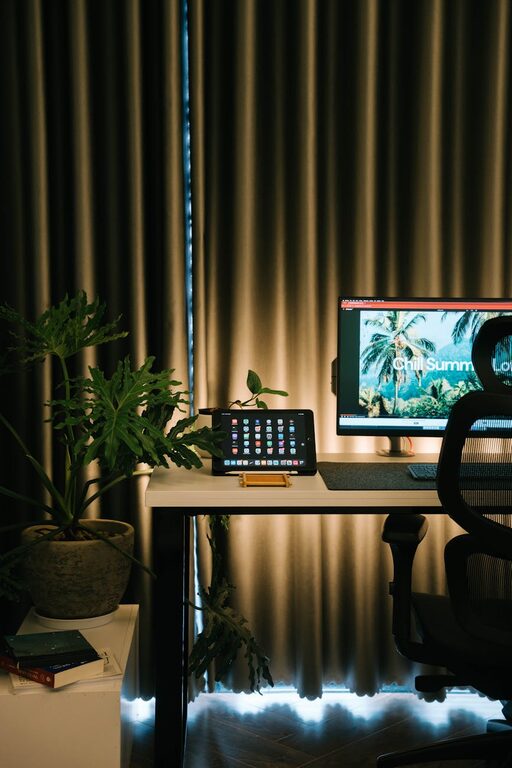
Designing a home office that balances comfort and functionality can transform your workdays. Whether you work remotely, study, or manage home projects, a well-planned space boosts focus and eases stress. Here are practical tips to help you craft a cozy and efficient home office.
Choose the Right Location
Selecting an ideal spot for your home office is the first step. Consider these factors:
– Natural Light: A space near windows offers daylight, which improves mood and reduces eye strain.
– Quiet Environment: Pick a low-traffic area to minimize distractions.
– Space Availability: Make sure there is enough room for furniture, equipment, and movement.
If space is limited, consider creative options like a corner of your living room, a section in the bedroom, or a converted closet.
Invest in Comfortable and Supportive Furniture
Your furniture affects both comfort and productivity. Here’s what to keep in mind:
– Ergonomic Chair: Choose a chair that supports good posture and is adjustable.
– Functional Desk: A desk with enough surface area for your computer, writing materials, and other tools helps keep your space organized.
– Flexible Options: Standing desks or convertible furniture offer variety and reduce fatigue.
Don’t forget to add a footrest or cushions if you’ll spend long hours seated.
Optimize Lighting
Good lighting is essential in a home office. Aim for a mix of natural and artificial light.
– Maximize Daylight: Position your desk near a window but avoid glare on screens.
– Task Lighting: Use adjustable desk lamps with warm or neutral light for focused work.
– Ambient Lighting: Overhead lights or floor lamps create general illumination that is gentle on the eyes.
Avoid harsh fluorescent lights, which can cause discomfort over time.
Personalize Your Space
Adding personal touches makes the workspace inviting and encourages creativity.
– Colors: Use calming tones like soft blues, muted greens, or warm neutrals.
– Artwork: Hang inspiring prints, photos, or wall decals.
– Plants: Indoor plants boost air quality and add life to your office.
– Accessories: Decorative items like a stylish clock, a cozy rug, or meaningful mementos enhance warmth.
Balance personalization with organization to keep distractions low.
Maximize Organization and Storage
Clutter can hinder productivity, so keep your office tidy:
– Use Shelves and Cabinets: Store books, files, and supplies neatly.
– Cable Management: Use clips, sleeves, or boxes to keep cords tidy.
– Desk Organizers: Small trays, pen holders, and file sorters help maintain order.
– Digital Organization: Keep your computer desktop backed up and well-arranged for quicker access.
Regularly declutter and clean your workspace for a fresh environment.
Incorporate Technology Thoughtfully
Technology is central to modern work, but managing it well is key.
– Reliable Equipment: Invest in a good computer, printer, and internet connection.
– Ergonomic Accessories: Wireless keyboards, mice, or monitor stands improve comfort.
– Noise Control: Use noise-canceling headphones or a white noise machine if you need focus.
– Charging Stations: Keep chargers and batteries in designated spots to avoid mess.
Make sure cables and devices are set up safely to prevent accidents.
Promote Good Air Quality and Comfort
The physical environment influences concentration and wellbeing.
– Ventilation: Regularly open windows or use air purifiers.
– Temperature Control: Keep your office at a comfortable temperature with fans or heaters.
– Comfortable Flooring: Use rugs or cushioned mats if you stand or want a softer surface.
– Hydration: Keep a water bottle handy for regular hydration.
Maintaining comfort helps reduce fatigue and keeps you energized.
Set Boundaries to Separate Work and Home Life
Creating a clear distinction between work and relaxation areas supports mental balance.
– Dedicated Space: Even if your office is part of another room, use screens or curtains to separate it.
– Work Hours: Set regular work times to avoid overworking.
– Turn Off Notifications: When work ends, switch off work-related alerts.
Sharing your schedule with family or housemates can also reduce interruptions.
Final Thoughts
Creating a cozy and functional home office doesn’t require a big budget or major renovations. Focus on comfort, organization, and personalization to design a space that supports your best work. Small changes like improving lighting, adding plants, or decluttering can make a big difference. With a well-thought-out setup, your home office will become a place you look forward to using every day.