

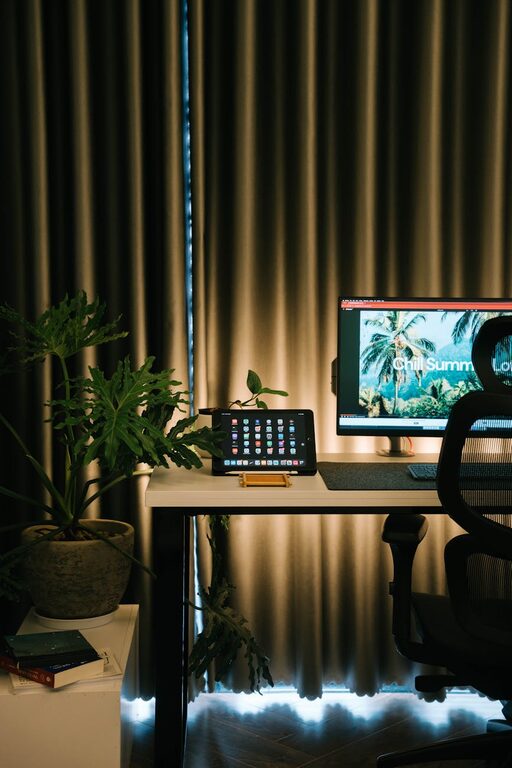
Creating a relaxing home workspace is more important than ever, especially as many people continue to work remotely or spend significant time on home projects. A well-designed workspace can help reduce stress, improve focus, and boost productivity while making your daily tasks more enjoyable. In this post, we’ll explore easy and effective tips to transform your workspace into a calming environment where you can work comfortably and efficiently.
Why a Relaxing Workspace Matters
Your surroundings have a powerful impact on your mood and ability to concentrate. A cluttered or uncomfortable space can increase stress and fatigue, while a thoughtfully arranged, soothing environment can help you feel calm and motivated. By prioritizing both comfort and functionality, you create a workspace that supports your best work.
—
Step 1: Choose the Right Location
Selecting the ideal spot for your workspace is the foundation of a relaxing work area.
– Find natural light: Position your desk near a window if possible. Natural light improves mood and alertness.
– Consider noise levels: Pick a quiet corner away from busy household areas or external distractions.
– Ensure enough space: Allow room to move around freely and store essentials within reach.
—
Step 2: Invest in Comfortable Furniture
The furniture you choose greatly influences your comfort and posture.
– Ergonomic chair: Use a chair that supports your back, promotes good posture, and allows adjustable height.
– Desk height: Ensure your desk height keeps your arms at a natural angle while typing.
– Footrest and accessories: Consider a footrest, wrist supports, or cushions for added comfort.
—
Step 3: Declutter and Organize
A tidy space helps clear your mind and improves focus.
– Daily tidying: Spend a few minutes each day straightening your workspace.
– Storage solutions: Use shelves, drawers, and organizers to keep supplies neat.
– Limit items on desk: Keep only essentials within arm’s reach, and store the rest away.
—
Step 4: Use Calming Colors and Decor
Colors and decor impact the atmosphere and can influence relaxation and creativity.
– Choose soothing colors: Soft blues, greens, and neutrals promote calmness.
– Add plants: Indoor plants improve air quality and add a natural calming element.
– Personal touches: Include artwork, inspirational quotes, or photos that make you happy without cluttering.
—
Step 5: Optimize Lighting
Proper lighting reduces eye strain and sets the tone for your workday.
– Layer your lighting: Combine natural light, overhead lights, and task lamps.
– Adjust brightness and color temperature: Use warm light to relax, and brighter, cooler light to stay alert when needed.
– Avoid glare: Position your screen and lights to minimize reflections and eye discomfort.
—
Step 6: Manage Technology and Cables
Technology is essential, but it can also create distractions or clutter if poorly managed.
– Organize cables: Use cable ties, clips, or covers to keep cords neat.
– Set boundaries: Use “Do Not Disturb” settings or apps to limit notifications during focus time.
– Maintain equipment: Keep your keyboard, mouse, and headphones clean and functioning well.
—
Step 7: Create a Routine and Break Space
A relaxing workspace works best when combined with healthy work habits.
– Set regular hours: Define when you start and finish work to separate professional and personal time.
– Incorporate breaks: Step away from your desk frequently to stretch, hydrate, or relax your eyes.
– Designate a break spot: Have a comfortable chair or corner nearby where you can briefly rest or meditate.
—
Step 8: Incorporate Soothing Sounds
Background sounds can enhance concentration and relaxation.
– Play soft music: Choose instrumental or ambient playlists to avoid distraction.
– Nature sounds: Sounds like rain or forest ambiance can create a peaceful atmosphere.
—
Final Thoughts
Designing a relaxing home workspace takes time and personalization, but the benefits are well worth the effort. By focusing on comfort, organization, and a calming environment, you can create a space where productivity naturally flourishes. Remember to adjust your setup as your needs evolve and keep your workspace a place you enjoy spending time in every day.
Start small, incorporate these tips gradually, and watch your workdays become more pleasant and productive. Your home workspace isn’t just a place to get things done — it’s a space for your well-being too!